
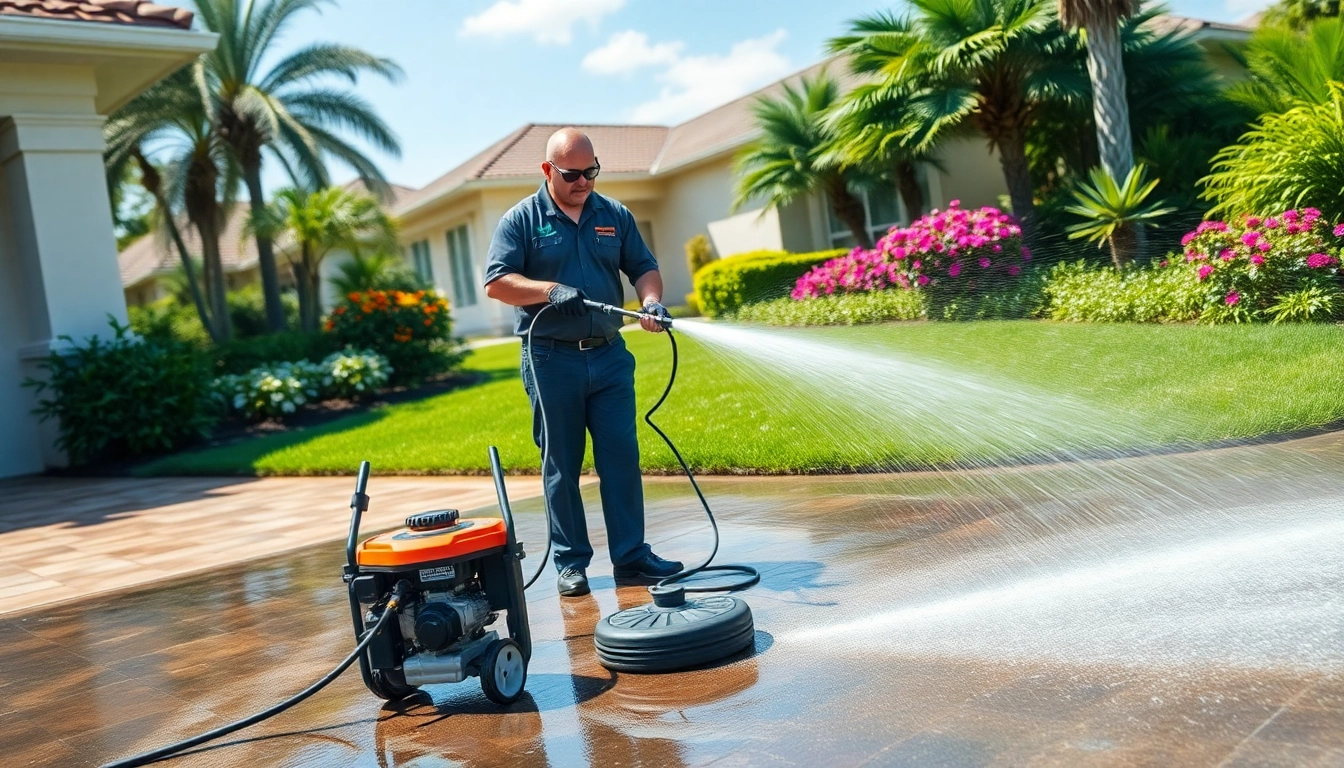
Understanding Driveway Pressure Wash Techniques
Driveway pressure washing is an essential home maintenance task that not only enhances the aesthetic appeal of your property but also prolongs the life of the concrete surfaces. As homeowners, we often overlook the wear and tear that our driveways face due to accumulated dirt, algae, and stains. That’s where professional services like Driveway pressure wash come into play, offering comprehensive cleaning solutions that restore and protect your investment.
What is Driveway Pressure Washing?
Driveway pressure washing involves using high-pressure water spray to remove dirt, grime, mold, and other debris from concrete surfaces. This technique effectively breaks down tough stains that traditional cleaning methods cannot tackle, providing a deep clean that restores the driveway’s appearance and safety. Using the right equipment, trained professionals can adjust the pressure and temperature of the water based on the surface material, ensuring a safe and effective cleaning process.
Benefits of Professional Driveway Cleaning
- Enhanced Curb Appeal: A clean driveway significantly improves the overall appearance of your home, making it more inviting.
- Prolonged Lifespan: Regular pressure washing prevents the buildup of harmful substances that can lead to cracks and deterioration.
- Safe Environment: Removing slippery moss and algae reduces the risk of accidents, ensuring safety for your family and visitors.
- Time and Effort Saving: Hiring professionals saves you the hassle and labor involved in cleaning a driveway on your own.
Common Pressure Washing Methods for Driveways
There are several methods used in driveway pressure washing, with each suited for different types of stains and surfaces. Some common techniques include:
- Hot Water Pressure Washing: This method uses heated water to dissolve tough grease and oil stains more effectively.
- Surface Cleaning: Surface cleaners are specialized tools designed to clean large areas uniformly without leaving streaks.
- Chemical Cleaning: Sometimes, the application of eco-friendly detergents can help break down stubborn stains before pressure washing.
Preparing Your Driveway for Pressure Washing
Preparation is key to ensuring a successful driveway pressure washing. Proper preparation not only maximizes cleaning effectiveness but also safeguards your property’s surrounding areas. Here are essential steps to take before the service begins:
Essential Tools and Equipment for Driveway Pressure Wash
Before starting the pressure washing process, gather the necessary tools and equipment, including:
- Pressure washer (with appropriate PSI and GPM for your driveway type)
- Surface cleaner attachment for efficient coverage
- Eco-friendly detergent for stains
- Protective gear (gloves and goggles)
- Tarps or plastic sheeting to cover surrounding vegetation
Safety Precautions When Pressure Washing
Safety should always be a top priority when conducting pressure washing. Consider the following precautions:
- Ensure that the pressure washer is in good condition and that all safety mechanisms are functioning.
- Wear protective eyewear and gloves to shield against debris and chemical exposure.
- Keep children and pets away from the work area to prevent accidents.
- Be cautious when using ladders or elevated surfaces during cleaning.
Preparing the Surrounding Area
Clearing the area around your driveway is crucial to maximizing the effectiveness of pressure washing. Remove any obstacles, such as vehicles, garden furniture, and ornaments, and cover any nearby plants with tarps or plastic sheeting to protect them from potential chemical exposure.
Driveway Pressure Washing: Step-by-Step Process
Once you’ve prepared your driveway and surrounding areas, it’s time to dive into the cleaning process. Below is a step-by-step guide to ensure that your pressure washing is thorough and effective:
How to Effectively Apply Cleaning Solutions
Before triggering the pressure washer, it’s advisable to pre-treat any stubborn stains with eco-friendly cleaning solutions. Apply the solution evenly, allowing it to sit for about 5-10 minutes to break down the stains. Avoid letting it dry completely to enhance its effectiveness.
Optimal Techniques for Using a Pressure Washer
When using the pressure washer, follow these best practices:
- Keep the nozzle at a consistent distance of 12-18 inches from the driveway surface.
- Move the wand in a sweeping motion, working from one side of the driveway to the other.
- Apply even pressure, avoiding concentrating on one spot to prevent damage to the concrete.
- For best results, start with a lower pressure setting and gradually increase it as needed.
Post-Cleaning Maintenance Tips
After pressure washing, take steps to maintain your driveway’s cleanliness:
- Seal the driveway with a quality sealant to protect against future stains and damage.
- Regularly sweep and remove debris to limit dirt accumulation.
- Consider scheduling professional pressure washing annually or bi-annually, depending on your driveway’s condition.
Common Challenges in Driveway Pressure Washing
While pressure washing is an effective cleaning method, it can present certain challenges. Understanding these obstacles can help you better prepare and troubleshoot any issues that may arise.
Removing Stubborn Stains and Debris
Stains such as oil or rust may require additional efforts and specialized products for effective removal. If the stains persist after the initial wash, consider applying a second round of the cleaning solution or consulting a professional for advice on the best stain removal techniques.
Addressing Water Damage Risks
It’s essential to be cautious of water damage that may occur during the pressure washing process. Make sure to direct water runoff away from your home’s foundation and other vulnerable areas. Moreover, check for any existing cracks or damage on the driveway that may need repair before pressure washing.
Understanding Different Surface Types
Different driveway materials, such as concrete, pavers, and asphalt, require varied pressure washing techniques and settings. Familiarize yourself with the specific requirements of your driveway to avoid damaging it during the cleaning process.
Future Trends in Driveway Pressure Washing
As we look ahead to 2025, the driveway pressure washing industry is expected to evolve with innovative technologies and customer expectations. Here are some anticipated trends:
Innovative Equipment and Technology for 2025
Advancements in pressure washing technology, including automated systems and machine learning capabilities, will lead to increased efficiency and effectiveness. Expect to see more eco-friendly options that utilize less water and energy while delivering outstanding results.
Eco-Friendly Cleaning Solutions
As environmental awareness grows, the demand for biodegradable and non-toxic cleaning agents will increase. The industry will likely shift towards greener products that offer effective cleaning without harming the environment.
Emerging Customer Expectations in the Cleaning Industry
Customers will increasingly demand more from pressure washing services, including not only high-quality results but also superior customer service. Transparency in pricing, eco-friendly practices, and detailed service descriptions will become essential standards in the industry.