
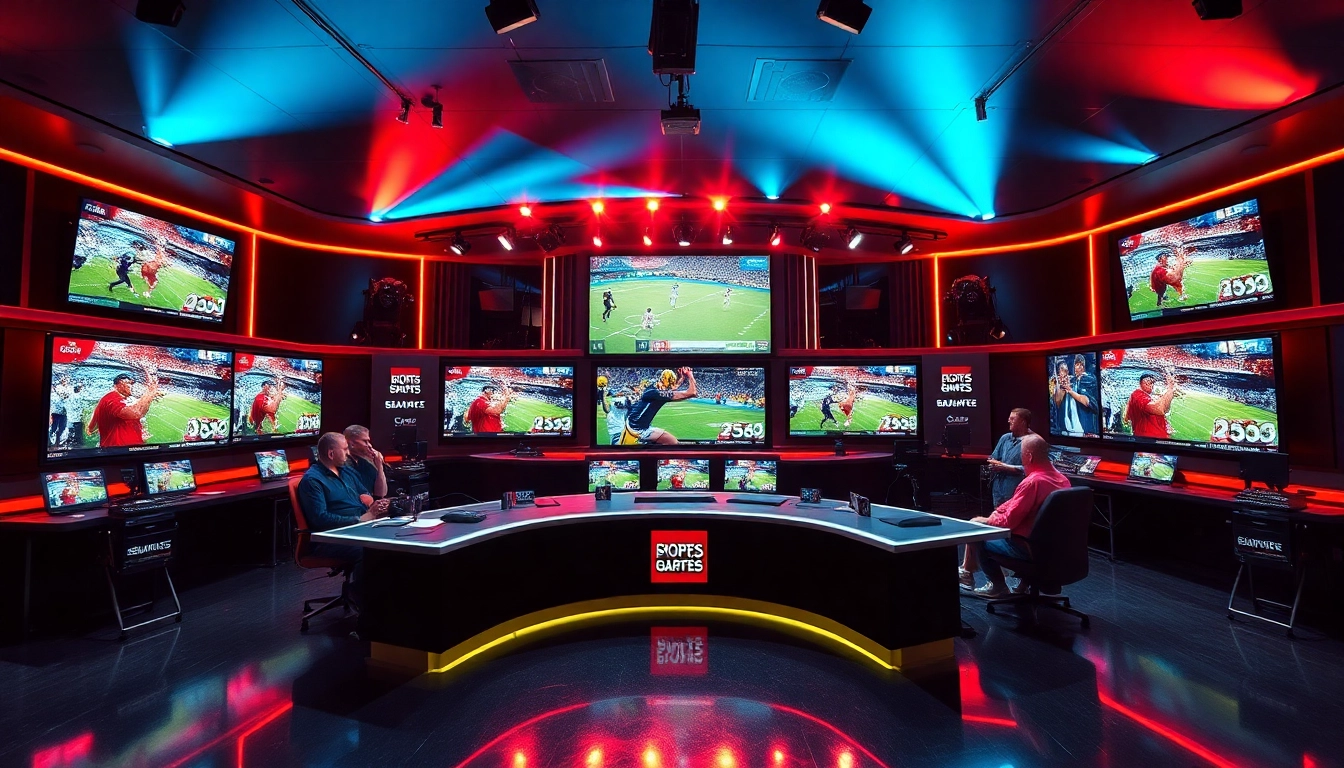
In today’s fast-paced digital world, the realm of Sports Broadcasting has undergone tremendous transformation. With an ever-evolving landscape fueled by technological advancements and changing viewer preferences, understanding the intricate elements at play is crucial for broadcasters, analysts, and enthusiasts alike. This article dives deep into the multifaceted world of sports broadcasting, exploring its definition, evolution, techniques, best practices, challenges, and future trends.
Understanding Sports Broadcasting
Definition and Scope of Sports Broadcasting
Sports broadcasting refers to the dissemination of sports-related content via various mediums, including television, radio, digital platforms, and live streaming. Its scope encompasses live event coverage, sports news, analysis, commentary, and pre-and post-game shows. Successful sports broadcasting captures the excitement of live events while providing insightful commentary and analysis to enhance the viewing experience.
The Evolution of Sports Broadcasting
From the early days of radio broadcasts delivering play-by-play coverage to the advent of television, the evolution of sports broadcasting has been marked by technological advancements and changes in audience behavior. The introduction of color television, satellite broadcasting, and the internet has transformed how sports is consumed. Today, the integration of social media and streaming services allows fans to engage with content on multiple platforms, reshaping the broadcasting landscape.
Importance in the Sports Industry
Sports broadcasting plays a pivotal role in the sports industry, serving as a key driver for revenue generation. Broadcast rights are among the most lucrative assets for sports leagues and teams, helping to fund operations, player salaries, and facility upgrades. Furthermore, engaging broadcasts help build a loyal fan base, increase merchandise sales, and create global visibility for leagues and athletes.
Techniques for Effective Sports Broadcasting
Essential Skills for Sports Broadcasters
Being a successful sports broadcaster requires a diverse skill set, including strong communication abilities, excellent understanding of the sport, and the ability to engage with the audience. Broadcasters must be able to think critically and react quickly during live events, providing accurate and compelling narratives that resonate with viewers. Familiarity with analytics and viewer demographics can also guide broadcasters in tailoring content to meet audience expectations.
Utilizing Technology in Sports Broadcasting
Technology plays a fundamental role in enhancing sports broadcasting. Tools such as multiple camera angles, instant replay, and augmented reality provide viewers with an immersive experience. Broadcasters now utilize social media platforms for real-time engagement, allowing fans to share their thoughts and reactions. Additionally, analytics software aids in delivering in-depth analysis, contributing to a more nuanced narrative that captivates viewers.
Creating Engaging Narratives and Commentary
Crafting compelling narratives is essential for captivating audiences. Successful broadcasters weave personal anecdotes, player backstories, and historical context into their commentary. This approach fosters a connection with viewers, transforming them from mere spectators to invested fans. By articulating the emotional highs and lows of the game, broadcasters can evoke deeper responses from their audience.
Best Practices in Sports Broadcasting
Building Audience Engagement
Engagement is vital in sports broadcasting. Broadcasters should actively interact with their audience through social media, responding to comments and discussing viewer opinions. Creating polls and viewer-driven segments can enhance participation and foster a sense of community among fans. Incorporating interactive elements, such as Q&A sessions with players or commentators, can create a richer experience.
Maintaining Ethical Standards
Sports broadcasters carry the responsibility of ethical reporting, ensuring accuracy, fairness, and respect for all involved. Maintaining impartiality, especially during heated rivalries, helps uphold the integrity of the broadcasting profession. Broadcasters must also consider the impact of their words on players, teams, and audiences, striving for a balance between entertainment and ethical responsibility.
Adapting to Audience Feedback
Audience feedback is crucial for improving broadcasting strategies. Broadcasters should actively solicit and analyze viewer input to understand preferences and expectations better. This responsiveness can involve adjusting commentary styles, exploring new content formats, or incorporating viewer suggestions into programming. Such adaptations foster loyalty and demonstrate commitment to the audience’s needs.
Challenges in Sports Broadcasting
Handling Live Events and Unforeseen Issues
Live sports broadcasting is unpredictable, with unforeseen challenges often arising. Equipment malfunctions, unexpected weather changes, and other emergencies can disrupt broadcasts. Successful broadcasters must develop contingency plans, remain calm under pressure, and have the ability to adapt to changing circumstances while maintaining professionalism and clarity in their delivery.
Competition and Brand Differentiation
The sports broadcasting landscape is highly competitive, with numerous outlets vying for viewer attention. Differentiation is vital for success; broadcasters must define their unique value proposition. This could involve offering exclusive content, innovative storytelling methods, or diversified programming that appeals to niche markets, which could help carve out a distinct presence in the crowded space.
Adapting to Evolving Viewer Preferences
As viewer preferences shift towards on-demand content and mobile accessibility, sports broadcasters must adapt accordingly. Understanding demographic changes and consumption habits is crucial for crafting programming that resonates with audiences. This trend encourages the exploration of new formats, including bite-sized highlights, multi-platform broadcasting, and interactive content to keep audiences engaged.
Future Trends in Sports Broadcasting
The Impact of Streaming Services
Streaming services have revolutionized how audiences consume sports content. With increasing subscriptions to services that offer live sports, traditional broadcasters face pressure to innovate. Partnerships with streaming platforms present new opportunities for reaching wider audiences, providing diverse viewing options, and engaging with fans through advanced features like DVR and multi-screen viewing.
Emerging Technologies in Sports Broadcasting
Emerging technologies such as artificial intelligence, virtual reality, and 5G networks are poised to reshape sports broadcasting. AI can enhance analytics and viewer personalization, while VR can provide immersive fan experiences. 5G technology enables faster data transmission, facilitating high-quality streaming and interactive elements that can engage viewers more deeply.
Globalization of Sports Broadcasting
Sports broadcasting continues to globalize, with international leagues and tournaments gaining prominence. This trend encourages broadcasters to develop multilingual content and cater to diverse audiences. Embracing globalization also leads to cross-border collaborations, allowing for unique programming that taps into various cultures and perspectives, further enriching the viewing experience.
FAQs about Sports Broadcasting
What are the main types of sports broadcasting?
The main types of sports broadcasting include live event coverage, sports news segments, expert analysis, and pre-and post-game shows, often available on television, radio, and digital platforms.
How has technology changed sports broadcasting?
Technology has changed sports broadcasting through innovations like instant replay, advanced analytics, multiple camera angles, and interactive features, enhancing viewer engagement and experience.
What skills do sports broadcasters need?
Sports broadcasters need strong communication skills, in-depth knowledge of the sport, the ability to engage audiences, and critical thinking to react quickly during live events.
How can broadcasters build audience engagement?
Broadcasters can build audience engagement by interacting on social media, creating viewer participation segments, and incorporating feedback into their programming to create a community atmosphere.
What challenges do sports broadcasters face?
Sports broadcasters face challenges such as live event unpredictability, competition for viewer attention, and the need to adapt to evolving preferences and technological advancements.